
.png)


Why Flat Photography Fails: How 360° Virtual Tours Transform Client Experience


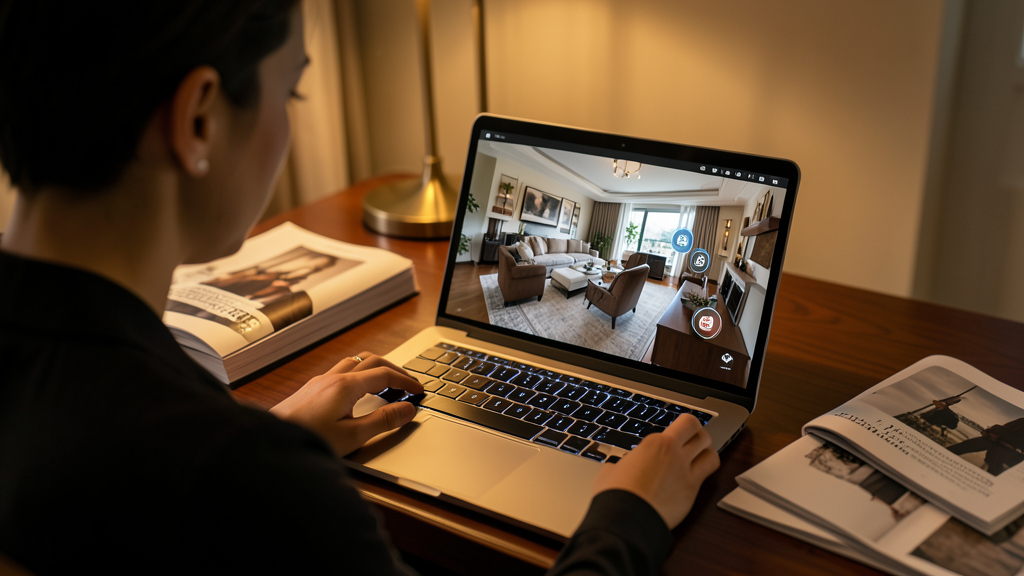

You have invested thousands in professional photography. The images are flawless, perfectly lit, expertly composed, and polished to a standard that would look at home in any architectural or lifestyle publication. Your website looks exceptional. Your brochure is beautiful.
And yet bookings are not rising. International clients are not committing. Prospects are viewing your space online, engaging briefly, and then disappearing without making contact. What is actually going on?
The problem is not your photography. Your photographer has done their job well. The problem is what photography, however beautiful, fundamentally cannot do. And in a market where buyers, guests, and clients have come to expect immersive, explorable digital experiences as a baseline, the gap between what flat photography offers and what modern prospects need has become a commercial liability.
The Flat Photography Trap
There is a version of the marketing brief that has not changed in 30 years, commission a professional photographer, produce a set of beautifully lit, expertly composed images, and use them across your website, brochure, and sales materials. For most of that period, this was the right approach. It was the best available tool for communicating the quality of a space to a remote audience.
That is no longer true. Not because photography has become less capable, but because the expectations of the people you are trying to reach have fundamentally shifted.
In 2026, a prospect evaluating a venue, property, or workspace online is not looking for a curated selection of beautiful images. They are looking for an experience. They want to understand how the space feels, how it flows, how it behaves in real conditions. They want to explore it on their own terms, at their own pace, and arrive at their own conclusions. A static image, however beautiful, cannot give them any of that.
A great photograph can attract attention. It can create a positive first impression. It can communicate aesthetic quality and material richness. But it cannot build the kind of confidence that closes decisions. And confidence, the genuine sense of knowing a space before committing to it, is what converts interest into action.
That is the gap flat photography cannot bridge. And it is a gap that is costing businesses real revenue, every day.

What Flat Photography Cannot Show
To understand why this matters commercially, it is worth being precise about the specific qualities that static images fail to communicate, because these are precisely the qualities that drive purchasing decisions.
Scale and Proportion
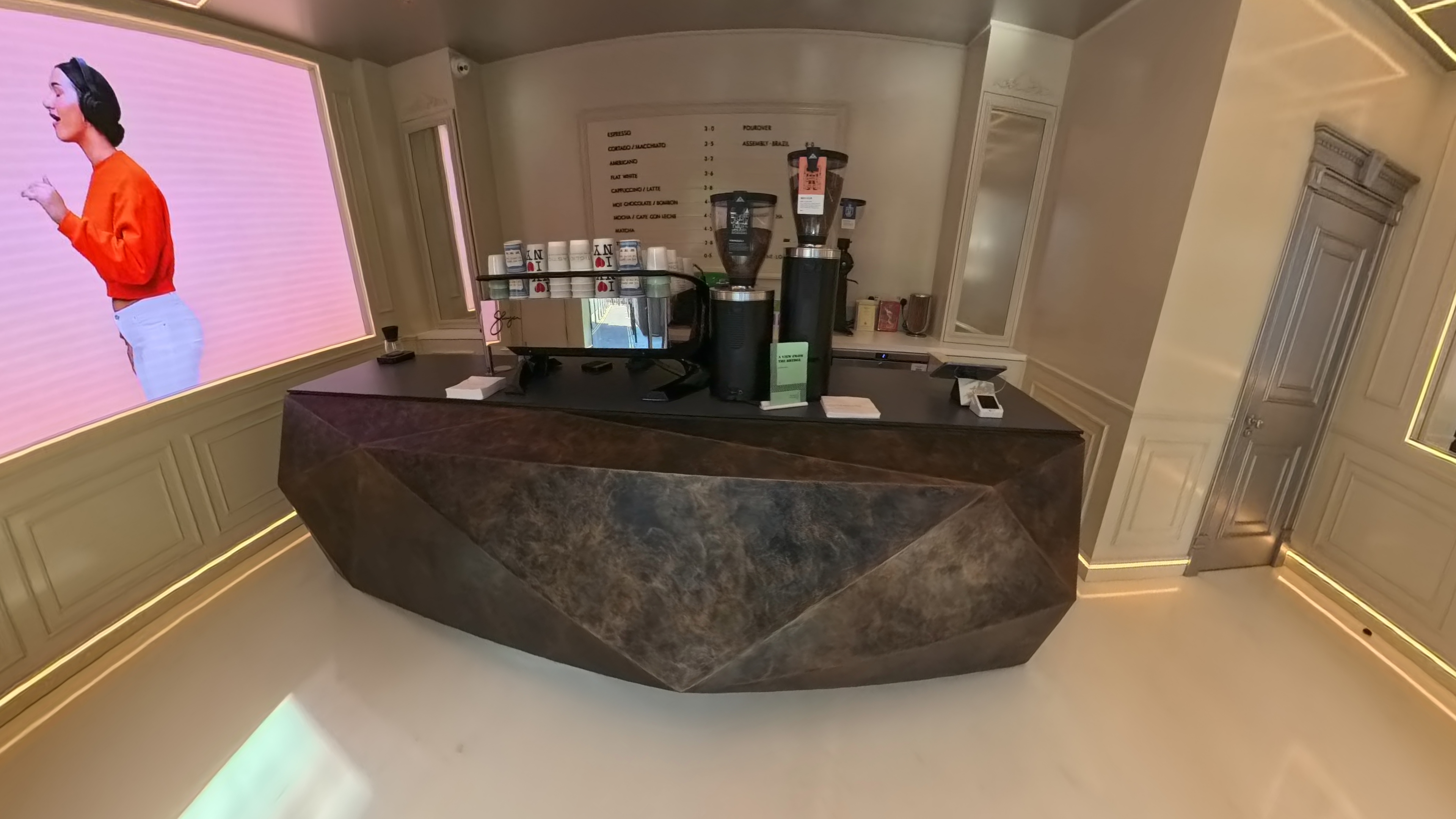
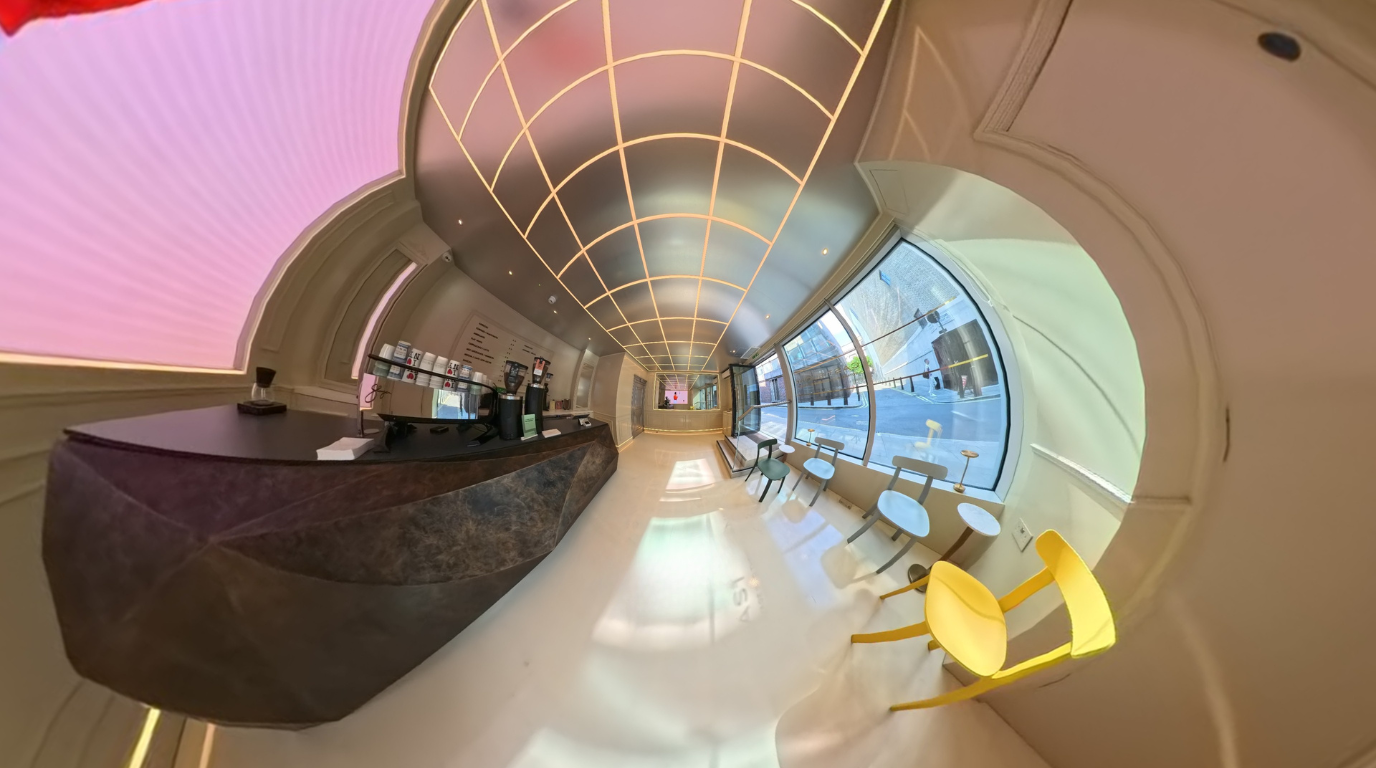
Wide-angle lenses, the standard tool of architectural and interior photography, distort spatial reality. They make rooms appear larger, ceilings higher, and spaces more expansive than they actually are. Experienced buyers and clients know this. They have visited spaces that looked generous in photographs and felt cramped in person. That experience creates scepticism, and scepticism creates hesitation.
When a prospect cannot trust that what they see in a photograph accurately represents what they will experience in person, they either discount the photography entirely or they visit in person to verify it. Neither outcome is efficient. The first means your investment in photography is working against you. The second means you are generating site visits from prospects who are not yet convinced, which is expensive for you and frustrating for them.
Flow & The Guest Journey
The experience of a space is not defined by how any individual room looks. It is defined by how spaces connect, how people move through them, and how the sequence of arrival, transition, and arrival again creates an overall impression. This is the guest journey, and it is entirely invisible in a static portfolio.
A venue that flows beautifully from entrance to reception to main event space to breakout areas creates an experience that guests remember and return for. A property where the relationship between living spaces, private spaces, and outdoor areas feels considered and generous is one that buyers fall in love with. A workspace where the transition from collaborative areas to focused work zones feels intuitive is one that corporate clients renew.
None of these qualities can be communicated in a photograph. They require movement, sequence, and the ability to explore. Without that, the most important experiential qualities of your space are invisible to the people you most need to impress.
Atmosphere Across Time
A photograph captures a single moment under a single set of conditions. The quality of natural light in a north-facing room on a winter morning is different from the same room on a summer afternoon. The atmosphere of a venue during a live event is different from the same space empty and set for a viewing. The energy of a workspace when it is occupied is different from the same space photographed on a quiet Saturday.
Flat photography can only show one version of your space. Immersive technology can show many, giving prospects a richer and more honest picture of what they are committing to.
Context & Spatial Relationships
A sequence of individual room photographs cannot show how those rooms relate to each other, how the space sits in its wider context, or how different configurations and uses of the space are possible. Prospects are left to construct a mental map from disconnected images, and that mental map is almost always incomplete and often inaccurate.
The result is a prospect who arrives at a viewing with a set of assumptions that may or may not match reality. When the reality is better than the assumption, that is a pleasant surprise. When it is different in ways that matter to them, it is a wasted visit for everyone involved.
The Real Cost of Sticking with Photography
The commercial consequences of relying on flat photography in a market that has moved beyond it are measurable across several dimensions.
Unqualified Leads & Wasted Viewings
Without an immersive experience, prospects cannot self-qualify. They cannot determine whether your space genuinely meets their needs before making contact or booking a viewing. The result is a pipeline full of enquiries from people who are still in the early stages of evaluation, generating site visits that go nowhere and consuming time that could be spent on serious prospects.
Price-Driven Decisions
When the value of a space cannot be felt, prospects default to comparing on cost. Premium venues, properties, and workspaces become just another line item in a comparison spreadsheet. The experiential qualities that justify a premium price point are invisible, so the premium itself becomes difficult to defend.
Invisible To International Markets
Global buyers, international event planners, and corporate clients relocating teams will not travel for every preliminary viewing. Without a way to experience your space remotely, you are simply not in consideration for a significant portion of the market that would otherwise be interested in what you offer.
Slower Sales Cycles
Flat images leave questions unanswered. Prospects who cannot find the answers they need online continue shopping, comparing, and delaying. Decisions that could be made in days stretch into weeks. Pipelines become congested with prospects who are interested but not yet confident enough to commit.
Competitor Advantage
The businesses offering immersive 360° experiences are not just providing a better marketing tool. They are providing a better buying experience. And in a market where the buying experience is increasingly part of the product, that advantage compounds over time.
How 360° Virtual Tours Change the Commercial Equation
The shift from flat photography to immersive 360° showcases is not a cosmetic upgrade. It changes the fundamental dynamic of how prospects evaluate and commit to spaces.
Self-Qualification At Scale
When prospects can explore your space fully before making contact, they arrive at the conversation already informed. The ones who reach out are the ones who have seen everything and are still interested. Unqualified enquiries drop significantly. Conversion rates on serious enquiries improve dramatically. Businesses using 360° virtual tours consistently report reductions of 40 to 60% in unqualified site visits, with no reduction in overall enquiry volume.
Emotional Connection Before The First Visit
Experiencing the flow, light, and scale of a space builds a kind of familiarity that static images cannot create. Prospects who have explored your venue or property in 360° arrive at viewings with a pre-existing emotional connection to the space. They are not discovering it for the first time. They are confirming what they already feel. That emotional investment is a powerful driver of commitment.
Global Reach Without Additional Marketing Spend
International clients can tour your space from anywhere in the world, at any time, on any device. The geographical barrier that has historically limited your addressable market dissolves. Businesses that deploy immersive showcases consistently report significant increases in international enquiries, with a higher proportion converting to serious conversations than equivalent domestic enquiries.
Faster Decisions & Shorter Sales Cycles
Immersive experiences answer the questions that flat photography leaves open. Prospects who can explore a space fully online arrive at decisions faster, with greater confidence, and with fewer residual doubts. Sales cycles shorten. Pipeline velocity increases. Revenue that would previously have taken three months to close takes six weeks.
Premium Positioning & Price Defence
When the value of a space can be genuinely experienced rather than merely observed, the conversation about price changes. Prospects who have explored your space in 360° understand what they are paying for. The premium is not an abstraction. It is something they have felt. That understanding makes premium pricing easier to defend and easier to justify.
The Bottom Line: Experience Is What Closes
Flat photography shows your space. 360° virtual tours let prospects experience it. In a market where immersive digital experiences are increasingly the baseline expectation rather than a differentiator, the gap between what photography offers and what modern buyers need is a commercial risk that compounds with every passing month.
The venues, properties, and workspaces winning in 2026 are not the ones with the most beautiful photography. They are the ones putting clients at the centre of the story before they ever set foot inside, giving them the experience they need to decide with confidence, from wherever they are in the world.
The question is not whether your audience would respond to an immersive experience. The question is how much longer you want to give them a flat one.
Ready to Transform Your Client Journey?
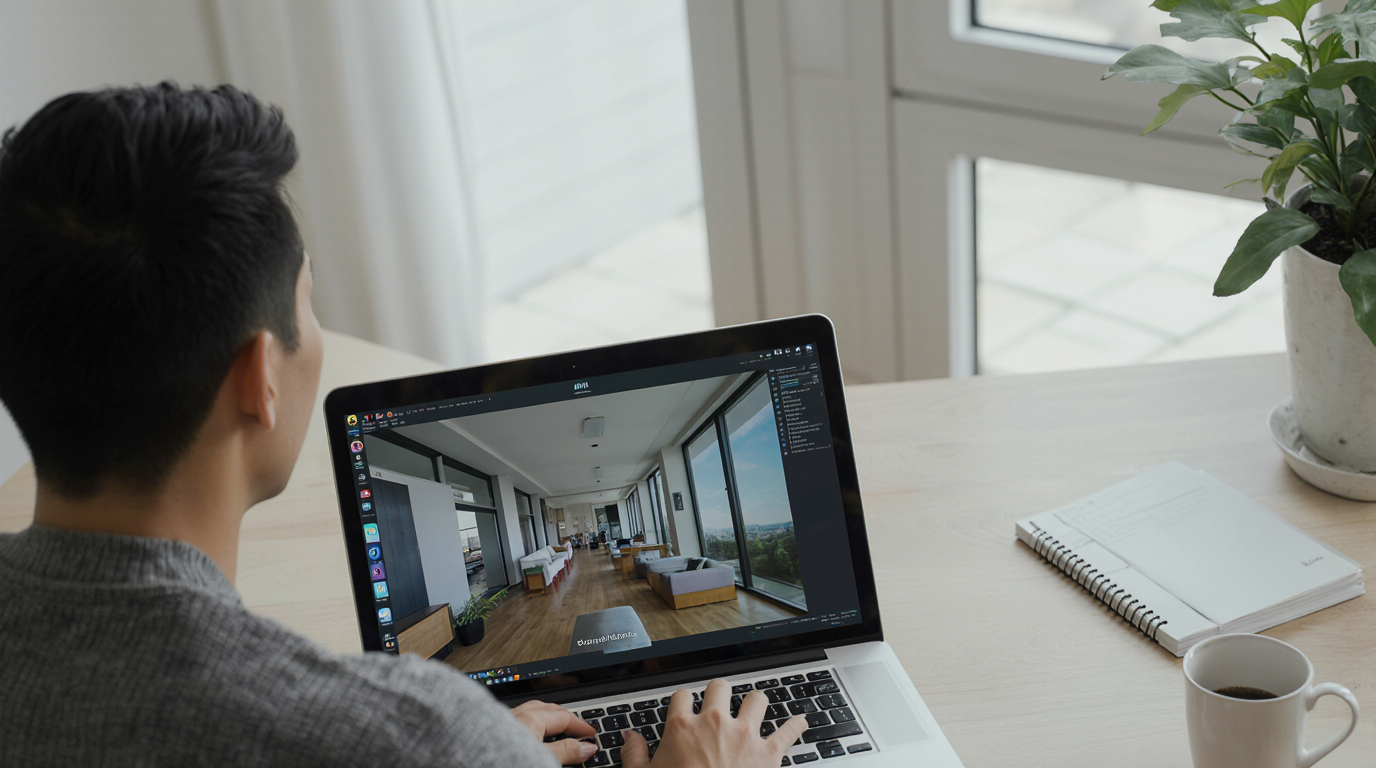
At Revol Studios, we deliver immersive 360° virtual showcases that qualify leads, accelerate sales cycles, and unlock international markets, all through a single, premium solution built around your space and your audience.
Our clients are currently:
- Reducing unqualified site visits by 40 to 60%, freeing their teams to focus on serious prospects
- Increasing booking conversion rates by up to 40% through immersive pre-qualification
- Generating 20 to 40% of revenue from international markets they were previously invisible to
- Shortening sales cycles by 40 to 60%, converting interest into commitment faster and with less friction
Your space deserves to be experienced, not just observed. Give your prospects the confidence to decide.
Click here to book a consultation and discover what immersive can do for your business.
More Blogs



Let’s Build Something
.jpg)
Tell us your goals, and we’ll help you design the perfect creative solution.